A generator can be one of the most important pieces of equipment at an outdoor event, especially when lighting, catering, entertainment, cooling, or other rentals depend on electricity. If venue power is unavailable, too far away, or not strong enough for the equipment being used, temporary generator power can keep the event running without interruption.
In this guide, you will learn when a generator rental makes sense, how to estimate the right size, which event equipment uses the most power, and what to plan before setup day. The key is to think about the full event load, not just one appliance or one vendor.
When Do You Need a Generator for an Outdoor Event?
You should consider renting a generator when your event depends on electrical equipment and the available power source cannot reliably support it.
Common situations include:
- Backyard weddings
- Tent receptions
- Corporate events
- Graduation parties
- Outdoor birthdays
- Fundraisers
- Festivals
- Events in parks or open spaces
- Venues with limited outdoor outlets
A generator may also be useful when the property technically has electricity but the nearest outlet is too far from the tent, the available circuits are already heavily used, or multiple vendors need power at the same time.
The most important question is not simply whether electricity exists at the property. It is whether enough safe and practical power is available where the event equipment will actually be set up.
What Event Equipment Actually Needs Generator Power?
Outdoor events often use more electrical equipment than hosts realize.
A typical setup may include:
- Tent lighting
- Decorative lighting
- DJ speakers and mixers
- Live band equipment
- Catering appliances
- Refrigeration
- Fans
- Air coolers
- Photo booths
- Inflatable attractions
- Charging stations
- AV equipment
- Coffee makers
- Vendor equipment
Some of these devices use relatively little electricity, while others can place a great demand on the generator.
Lighting alone may be modest, but adding a DJ, several fans, catering equipment, and a refrigerator can quickly change the power requirement.
That is why generator planning should happen after the event equipment list is mostly complete.
How Do You Figure Out What Size Generator You Need?
The correct generator size depends on the combined electrical demand of everything that may operate at the same time.
Two numbers matter:
- Running watts: The power a device uses while operating normally
- Starting watts: The brief additional power some motors and compressors require when starting
Refrigerators, fans, pumps, and other equipment with motors may briefly draw more power when they switch on.
To estimate generator size, list every device that will use generator power and record its wattage. Then add the running wattage of equipment that may operate simultaneously and account for the largest startup demand.
For example, a party with decorative lighting and DJ equipment may have very different power needs from one using catering appliances, several cooling fans, refrigeration, and an inflatable.
Guest count alone does not determine generator size.
A 200-person dinner with efficient lighting may require less electrical power than a smaller event with several high-demand appliances.
The equipment list is what matters.
What Can a 5,500-Watt Generator Power at a Party?
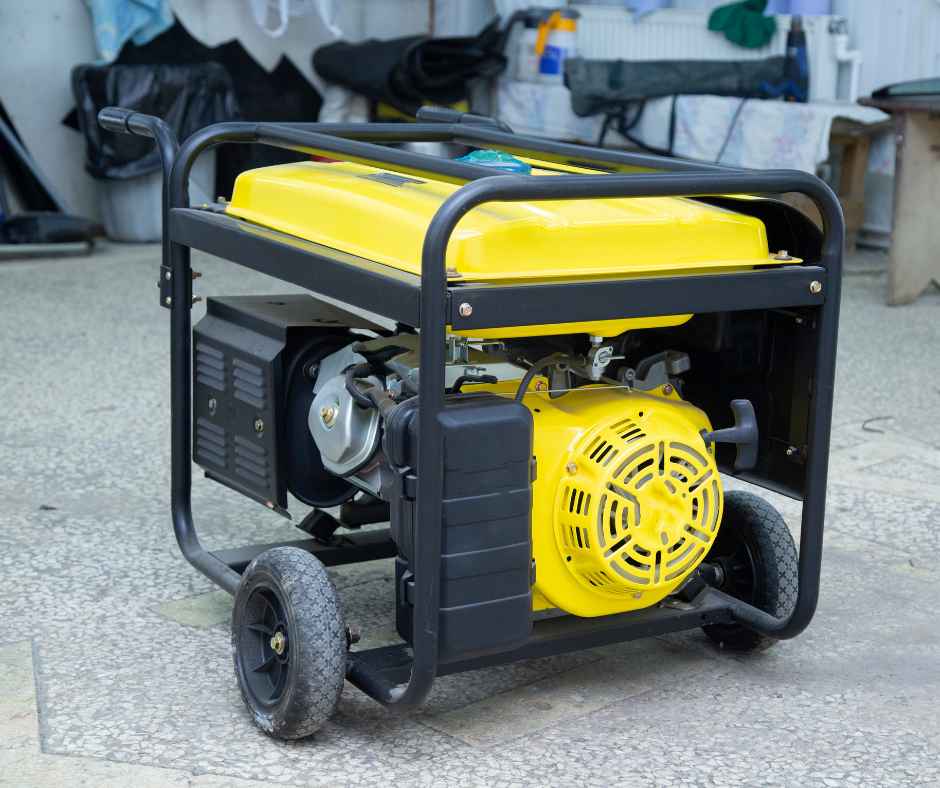
Long Island Tent & Party Rental offers a 5,500-watt portable generator, which may work well for many moderate event setups when the total electrical load stays within the unit’s capacity.
A generator of this size may be used for combinations such as:
- Event lighting
- DJ equipment
- Fans
- Small catering appliances
- Charging equipment
- Other moderate electrical loads
However, the exact equipment it can power depends on the wattage of each device.
A generator rated for 5,500 watts should not simply be connected to every available appliance until the outlets are full. Several devices can exceed the generator’s capacity even if each one seems small on its own.
High-demand equipment can change the calculation quickly. Electric heaters, larger cooking appliances, compressors, and certain refrigeration equipment may consume a significant portion of the available power.
The safest approach is to review the wattage ratings before the event and build the power plan around the actual equipment being used.
Why Should You Ask Every Vendor About Power Requirements?
Each vendor may arrive expecting access to electricity.
The DJ may need several outlets for speakers and lighting. The caterer may bring warmers, refrigerators, coffee equipment, or food-preparation appliances. A photographer may have a photo booth, while another vendor may need charging or display equipment.
If everyone assumes they can plug into the same power source, the generator can become overloaded.
Before the event, ask vendors:
- Do you need electrical power?
- How many outlets do you need?
- What voltage does your equipment require?
- What is the running wattage?
- Does anything have a startup surge?
- Will you bring your own extension cords?
- Do you expect dedicated power?
It is much easier to adjust the generator plan several days before the event than to discover during setup that the catering equipment and entertainment system cannot operate at the same time.
Good coordination is especially important when several vendors are working independently.
Do Extension Cords and Generator Placement Matter?
Yes. Generator wattage is only one part of temporary event power.
Extension cords need to be appropriate for the electrical load and the distance they cover. A cord that is too small or too long for the equipment may create voltage drop, overheating, or unreliable performance.
Cord placement matters too. Running electrical cords directly across guest walkways can create trip hazards and increase the chance of accidental disconnection.
Whenever possible, plan cable routes along the edge of the tent, behind equipment, or through areas where guests are less likely to walk.
Generator placement is even more important.
Portable generators should always operate outdoors, away from occupied tents, enclosed trailers, garages, and other enclosed or partially enclosed spaces. Their engines produce carbon monoxide, which can accumulate quickly in areas without proper ventilation.
The location should also allow for safe exhaust direction, refueling access, and reasonable distance from the equipment being powered.
How Should Long Island Weather Affect Your Power Plan?
Outdoor events on Long Island can face changing weather conditions, and those conditions may change the electrical load.
A hot afternoon may require more fans or cooling equipment than originally planned. An event continuing after sunset may need additional lighting. Rain may require changes to equipment placement and electrical protection.
Think through the entire schedule rather than only the conditions expected when guests arrive.
For example, an afternoon event may begin with little need for lighting but require significant illumination by evening. A warm day may also lead to additional fans being plugged in later.
If those additions were not included in the original generator calculation, the total load may exceed what the system was planned to handle.
Weather planning and power planning should happen together.
Should You Rent a Generator Even if the Venue Has Power?
Sometimes.
Existing venue power may be enough for indoor areas but limited around a tent, lawn, patio, or temporary event space.
A generator may make sense when:
- Outdoor outlets are too far away
- Existing circuits cannot support all vendors
- Critical equipment needs dedicated power
- The event is spread across a large property
- Temporary cooling or lighting has been added
- Backup power is important for key equipment
The goal is not to add a generator unnecessarily. It is to make sure the available electrical system can actually support the event plan.
If reliable venue power is already available in the right location and has sufficient capacity, a generator may not be needed.
What Generator Mistakes Can Disrupt an Outdoor Event?
Many event power problems come from planning mistakes rather than generator failure.
Common mistakes include:
- Guessing the generator size
- Forgetting startup wattage
- Adding equipment at the last minute
- Failing to ask vendors about power
- Using undersized extension cords
- Running cords across guest walkways
- Overloading one generator
- Putting a generator in an enclosed space
- Forgetting to plan for fuel
- Assuming every outdoor outlet can handle heavy loads
Another common mistake is treating generator planning as a final setup detail.
Power affects entertainment, food service, lighting, cooling, and other major parts of the event. It should be considered when selecting rentals and vendors.
A simple electrical inventory can prevent a surprising number of problems.
What Should You Tell the Rental Company Before Reserving a Generator?
The more information you provide, the easier it is to plan the right setup.
Be ready to discuss:
- Event type
- Event location
- Tent size
- Guest count
- Lighting plan
- Entertainment equipment
- Catering appliances
- Refrigeration
- Fans or cooling equipment
- Inflatable rentals
- Vendor power requirements
- Event duration
Guest count still matters because it influences tent size, catering needs, and other equipment, but it should not be used as the only generator-sizing factor.
If you already know the wattage requirements for major appliances or vendor equipment, provide that information as well.
Also mention whether the property has existing outdoor electricity and where the electrical panel or outlets are located.
That gives the rental company a much clearer picture of how temporary power fits into the overall event setup.
Plan Your Event Power Before Setup Day
Generator rental can be a simple way to support a Long Island outdoor event when dependable electricity is unavailable or insufficient. The most important step is choosing the generator based on the actual equipment that needs power rather than guessing from the size of the tent or number of guests.
Lighting, DJs, catering equipment, fans, refrigeration, and vendor needs can all contribute to the total load. Planning those requirements early makes it easier to choose appropriate temporary power and avoid last-minute electrical problems.
Long Island Tent & Party Rental helps hosts coordinate tents, event equipment, and temporary power for outdoor celebrations throughout Long Island and Queens. If your event needs reliable generator power or you are unsure what size will support your setup, contact us today to discuss your rental needs.